- info@tacticalroofing.co.nz
- Glen: 022 645 0775
-
Opening Hours: Weekdays 08:00 - 17:00

Protection from harsh weather starts with the roof above your home. It faces rain, wind, sun, and cold across every season. Your material choice shapes how the roof looks, how it performs over time, and how often you deal with repairs.
Long-term performance depends on strength, climate suitability, and the upkeep a roof needs. New Zealand conditions can test any roof, particularly in areas with high winds, heavy rain, and strong UV exposure. This guide compares common roofing materials and explains how each option affects lifespan, efficiency, and overall value.
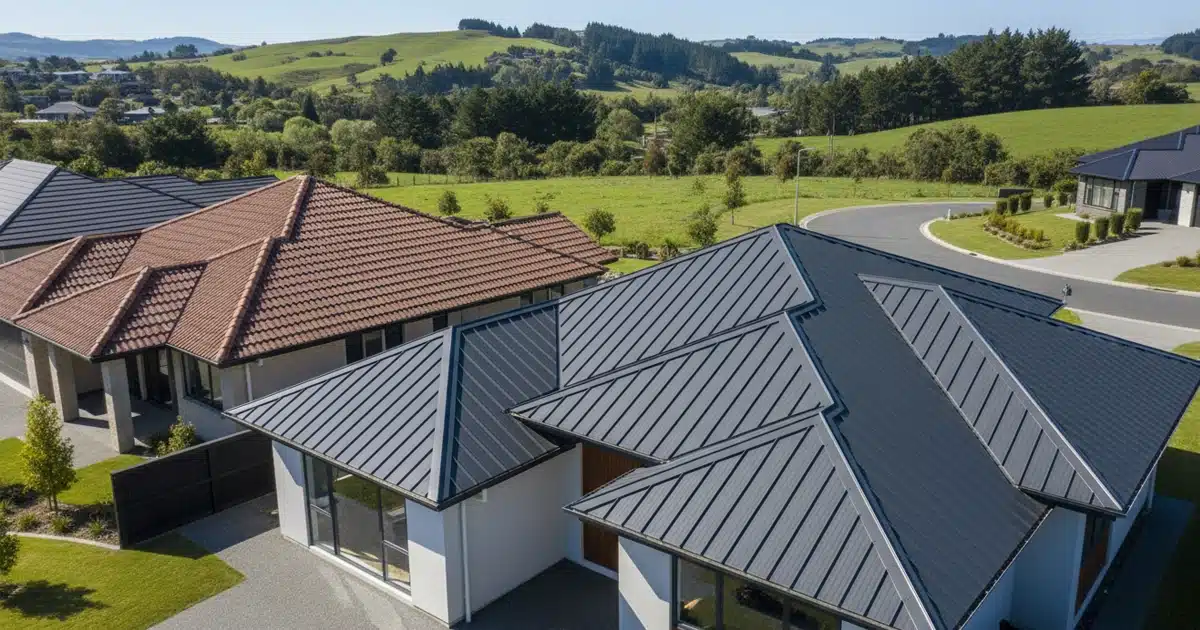
Quality roofing materials support the structure and protect your home during heavy rain, strong winds, and temperature changes. Reliable products reduce the risk of leaks, timber rot, and water damage that can spread without notice. As a result, homeowners often avoid major repairs and plan budgets with more confidence.
A durable roof can also support property value. Buyers tend to view a well-maintained roof as a sign of care, which can help during inspections. Some insurers may also view robust materials more favourably, because a stronger roof can reduce storm-related claims.
Different roof types suit different homes, budgets, and roof pitches. If you compare lifespan, upkeep, and weather performance, you can make a clearer choice.
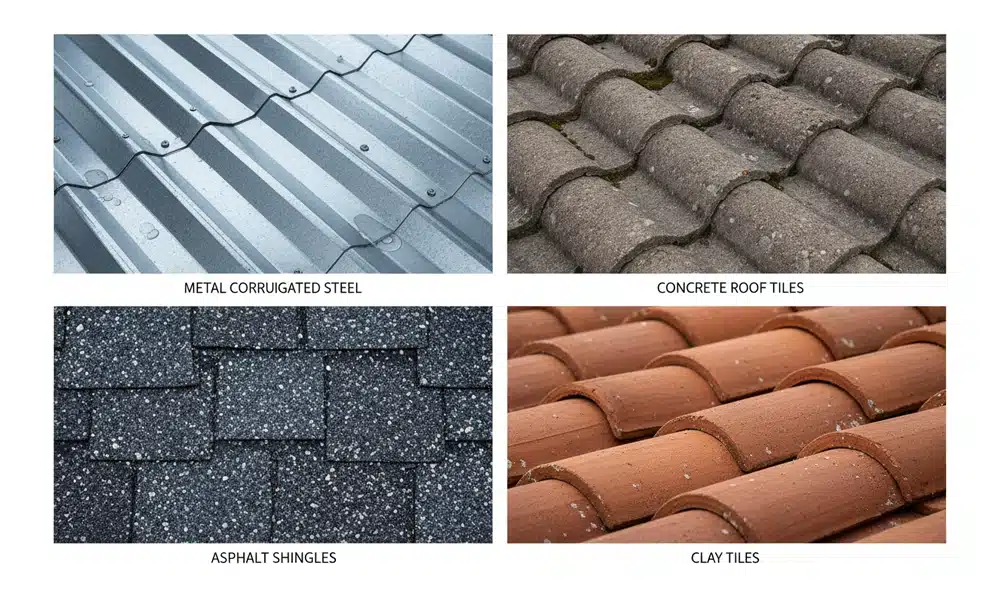
Metal roofing suits many New Zealand homes because it handles wind, rain, and strong sun well. Steel and aluminium remain common choices, while copper sits in the premium range. Low upkeep makes metal attractive for homeowners who want fewer long-term issues.
Tile roofing offers a traditional look and strong durability when installed on the right structure. Clay and concrete tiles can last for decades with steady care. Good insulation and noise reduction also suit family homes.
Asphalt shingles provide a flexible and budget-friendly roofing choice. Style variety makes shingles suitable for homes that want colour and design options. Installation stays simpler than many heavy roofing systems.
Rolled asphalt roofing works best on flat or low-pitch roofs. Simple installation and repair can suit certain extensions, garages, or small buildings. Regular checks matter because water flow can become an issue on flatter designs.
Stronger roofing materials usually handle wind, hail, and debris better than softer options. Metal and concrete tiles resist cracking and impact, so they often last longer. By contrast, less rigid materials can show wear earlier and may need closer care.
New Zealand’s storms can drive rain into weak points, which can lead to mould, rot, and structural damage. Materials that resist moisture help protect the roof frame and ceiling spaces. When you pick a tough material and fit it well, you reduce repair frequency and extend service life.
Regular inspections and simple cleaning protect your roof from debris build-up, moss, and blocked water flow. Good upkeep also stops small faults from turning into expensive repairs.
Roof material affects how much heat your home absorbs in summer. Light-coloured metal and reflective tile finishes can bounce sunlight away and help keep rooms cooler. As a result, many homes rely less on cooling and reduce power use.
In winter, some materials help hold warmth inside the home. Thicker tiles and some composite shingle systems can improve insulation compared with thinner coverings. When you match efficiency features to your climate, you can improve comfort throughout the year.
Material cost changes by type, quality, and finish. Premium options such as slate or copper often cost more upfront but can last longer and reduce replacement risk. Lower-cost options, such as asphalt shingles, can cost less at first, but repairs or earlier replacement can raise total lifetime cost.
Installation cost also changes with weight, roof shape, and the skill required to fit the system well. Heavy materials may need extra structural support, which adds labour and building work. For a fair comparison, include both the material price and the full installation cost.
Some materials reduce waste because manufacturers use recycled content or offer end-of-life recycling. Recycled metal, for example, can reduce landfill pressure and lower demand for raw materials. Responsible sourcing also matters, especially when products use timber.
Energy-smart roofs can also reduce emissions by lowering heating and cooling demand. Solar panels can add clean electricity, and green roofs can support plant cover where the design suits. These choices can reduce long-term impact when you plan them well.
Materials matter, but workmanship also affects roof lifespan. Skilled roofers fit materials accurately, seal joints well, and install flashing to stop leaks. Poor work can shorten roof life even when you choose premium products.
Experienced roofers also understand local weather and building rules, so they can adjust methods to suit your site. They can recommend materials that match roof pitch, exposure, and maintenance needs. When you hire professionals early, you reduce future faults and protect your investment.
Smart material choices keep a roof steady through New Zealand’s strong UV, heavy rain, and high winds, which helps reduce avoidable damage over time. A good match between roof pitch, local exposure, and product strength lowers repair frequency and supports a longer service life. Regular checks and timely fixes also protect the roof system and help control long-term costs.
Tactical Roofing guides homeowners towards materials that suit real site conditions and practical maintenance routines. Clear advice, careful planning, and skilled installation help the roof perform well for longer and reduce surprise issues later. Better value follows when material selection aligns with budget limits, comfort needs, and the expected life of the home.
The type of roofing material determines a roof’s lifespan and performance. Below are FAQs that explain which materials last longest and what to consider for each.
Metal roofing and quality concrete tiles often suit long-term performance when installed well and maintained. Choice depends on roof pitch, local weather exposure, and how much upkeep feels manageable.
Slate and high-grade metal roofing often rank among the longest-lasting options in many conditions. Strong installation, good drainage, and regular checks still play a major role in real lifespan results.
Concrete tile roofs often last several decades when the structure supports the weight and maintenance stays consistent. Lifespan can be shortened if cracked tiles go unreplaced or moss and lichen build up over time.
Concrete tiles handle wind, rain, and temperature changes well when fixed correctly to a strong roof frame. Regular checks help spot cracked or loose tiles before water entry becomes a larger issue.
Low-pitch roofs often need tile systems designed for lower slopes, supported by suitable underlay and drainage. Concrete or clay tiles may still work, but roof pitch requirements must match the manufacturer’s guidelines.
Metal roofing and tile roofing often outlast standard asphalt shingles in most conditions. Maintenance levels, installation quality, and local weather can still shift the outcome for any material.
© 2026 |Tactical Roofing | All Rights Reserved | Designed by 