- info@tacticalroofing.co.nz
- Glen: 022 645 0775
-
Opening Hours: Weekdays 08:00 - 17:00

Roof replacement projects need proper planning because delays can affect other home improvements and increase costs if schedules are not handled well. Homeowners often feel uncertain when structural work is involved, so understanding each stage is important before starting. Having a clear overview of the process helps manage expenses, set realistic timelines, and avoid unnecessary disruptions during renovation.
This blog explains the stages involved in roof replacement and outlines how to plan upgrades in an organised way. It highlights the importance of early assessments, preparation, material selection, and effective contractor management. Understanding possible setbacks makes the entire process less stressful and helps homeowners coordinate other improvements around the roofing schedule.
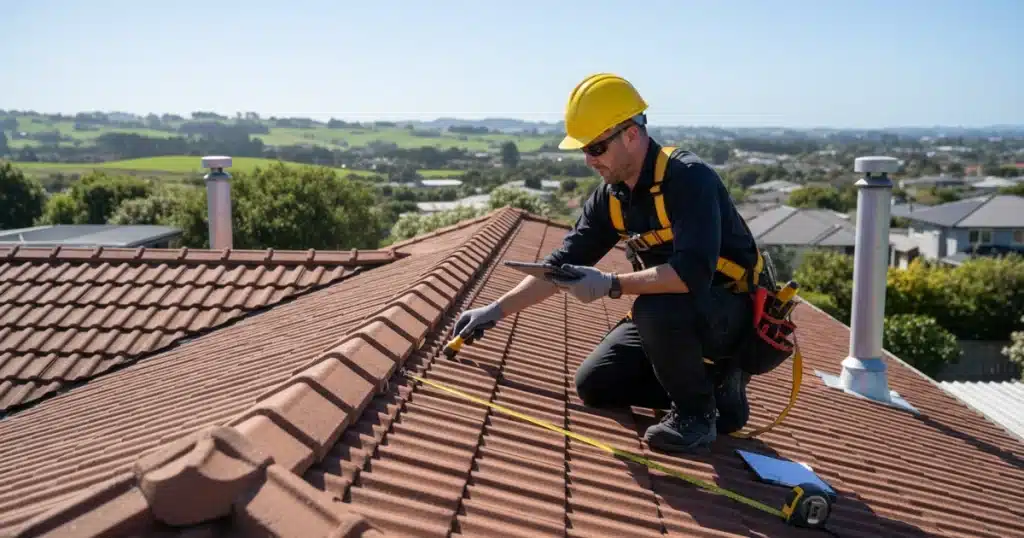
A professional roof inspection establishes the starting point for any roof replacement project and determines the scope of work required. Inspectors check for leaks, damaged tiles, insulation concerns, and underlying structural issues that may affect the schedule. Accurate measurements of dimensions and a review of existing materials ensure precise planning before work begins.
During assessments, experts evaluate ventilation, drainage systems, and weatherproofing to identify potential complications early. If hidden damage is discovered, it can be addressed before installation starts to avoid unexpected delays later. Proper evaluations also allow accurate cost estimations, which makes budget planning easier and reduces the risk of unplanned expenses.
A detailed assessment helps homeowners choose the best materials and installation approach. Contractors use the information to plan accurate timelines and manage resources properly. Clear discussions with the inspector ensure everyone understands what to expect from the start.
Several elements can influence how long your roof replacement will take:
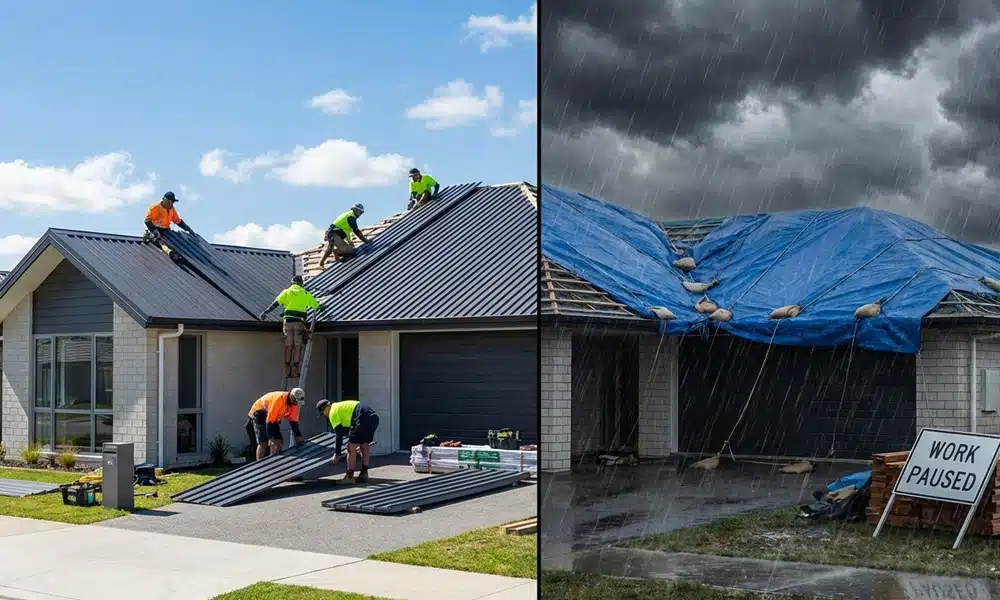
The weather has a significant impact on how quickly a roof replacement project can be completed. Heavy rain, strong winds, or unexpected storms often pause work and create delays that can extend the schedule. Planning the project during a season with milder and more stable conditions helps reduce interruptions and ensures a smoother installation process.
Roof replacement timelines often depend on how quickly materials can be sourced. Popular roofing options can run out of stock during busy seasons, which may delay the start of the project. Ordering materials ahead of time ensures everything is ready when needed and avoids unnecessary waiting.
The size and design of the roof play a major role in determining how long the replacement will take. Larger roofs or those with multiple slopes, chimneys, and skylights require more time, precision, and labour to complete properly. Understanding these details from the start helps set realistic expectations for how long the project is likely to last.
Roofing contractors get very busy during spring and summer, which can make scheduling harder. High demand often leads to longer waiting times before work can begin. Booking your roof replacement early helps secure your spot and keeps the project on track.
Before installation begins, several pre-work tasks must be completed:
Before starting a roof replacement, you need to get permits from the local council to meet building and safety rules. These permits confirm that the work follows regulations and prevent legal issues later. Getting approvals early helps keep the project on schedule and avoids unexpected delays.
Preparing the site includes removing old roofing materials, damaged shingles, and debris to create a clean surface. A clear area helps contractors install the new roof more efficiently and improves overall quality. Doing this step early saves time and reduces possible delays during installation.
Safety is a top priority during roof replacement, and scaffolding or protective barriers are often required to secure the work area. These measures protect workers, homeowners, and surrounding property from potential hazards. Properly planned safety arrangements ensure a smoother, more organised installation process and reduce the risk of accidents.
Roof replacement is completed through several key steps that determine the overall timeline. The process often begins with the delivery of materials arranged to arrive on schedule. Storing them securely on-site ensures the installation starts smoothly and continues without delays.
Underlayment installation comes next and includes adding a protective layer beneath the main roofing materials. This layer improves insulation, prevents water leaks, and strengthens the structure. Properly completing this step ensures long-lasting durability and better weather protection.
The final roofing stage involves installing tiles, shingles, or metal panels based on the selected design. Contractors work carefully to ensure proper alignment and a secure fit across the entire surface. Quality checks carried out during this stage help maintain high standards and ensure the roof performs as intended.
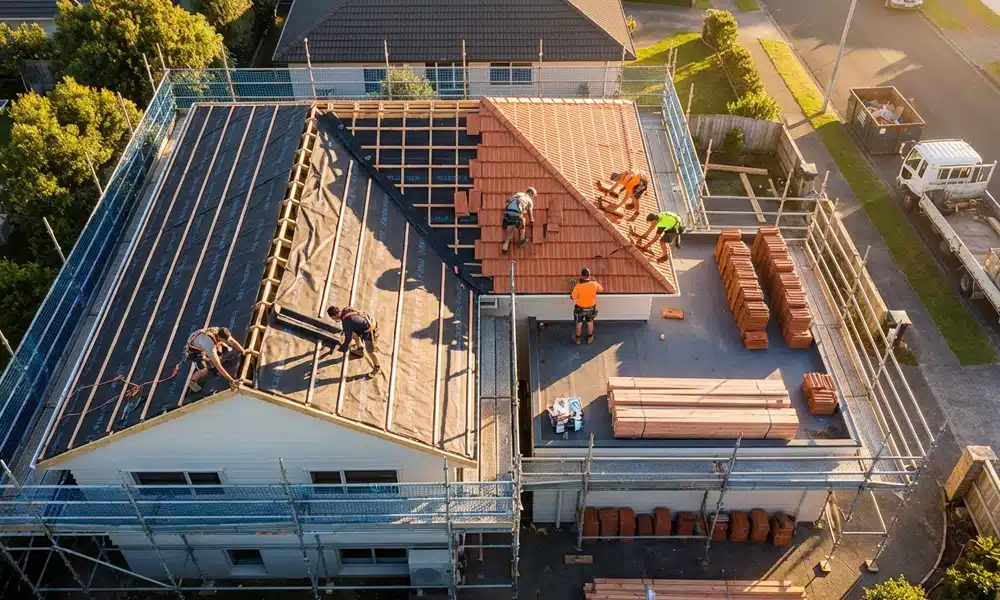
Roof replacement timelines can vary depending on the materials selected, as each type requires different installation techniques. Asphalt shingles are often quicker to install due to their lightweight nature and straightforward application. In contrast, clay tiles or natural slate require skilled labour, which extends the duration significantly.
Metal roofing provides durability and energy efficiency but involves precise measurements and specialised tools, which increase preparation time. The complexity of handling larger panels often means more labour is needed to position them securely. Understanding these requirements helps homeowners choose materials that align with their preferred completion dates.
Labour availability depends on the type of roofing material, as some products need skilled specialists. A shortage of experienced workers can cause delays, especially in busy areas. Planning early helps secure contractors in advance and avoids long waiting times.
Engaging experienced contractors for roof replacement projects offers significant advantages in managing timelines effectively. Professional teams coordinate permits, materials, labour, and safety procedures to avoid unnecessary disruptions. Their knowledge of installation techniques helps deliver quality results within agreed deadlines.
Skilled contractors find problems early and fix them before they get worse. This helps avoid delays caused by structural issues or wrong materials. Clear communication ensures smooth scheduling and realistic expectations.
Hiring reputable professionals ensures local building rules are followed and reduces the chance of fines or extra work. Projects move faster when contractors handle planning, supervision, and inspections. Quality work completed on time increases the property’s value and strength.
Roof replacement projects can sometimes face delays. Being aware of these possibilities helps you plan better and keep your schedule on track.
Rain, strong winds, or sudden storms can stop roof installation work. Wet surfaces become slippery and unsafe, and bad weather increases the chance of accidents or damage. Planning the project in a suitable season and keeping an eye on forecasts helps reduce weather-related delays.
Planning your schedule around favourable weather windows gives contractors more flexibility and reduces downtime. In some cases, temporary coverings or protective measures can help secure partially completed areas. Working with experienced professionals ensures the project resumes quickly once conditions improve.
Delays often occur when roofing materials are unavailable or arrive later than expected. High-demand products, especially during peak renovation seasons, may go on back order and push back installation schedules. Ordering materials well in advance ensures they are on-site when needed and avoids unnecessary waiting.
Maintaining close communication with suppliers and contractors helps track delivery timelines effectively. Contractors can also recommend alternative materials if shortages arise, ensuring work continues smoothly without compromising quality. Being flexible and proactive with material planning reduces the chances of prolonged delays.
Sometimes, hidden problems like rotten wood, weak supports, or pest damage are found after removing the old roof. Fixing these issues needs extra work, materials, and time, which can delay the project. Early inspections help, but some problems only become visible once the work begins.
Homeowners should include extra time and costs in their plan to handle unexpected issues. Hiring skilled contractors ensures structural problems are fixed safely before installation starts. Preparing in advance helps reduce stress and keeps the project on track.
After a roof replacement, inspections are done to ensure the work meets safety and quality standards. Flashing, seals, gutters, and ventilation are examined to confirm that everything functions properly. Early detection of small issues helps prevent future damage and costly repairs..
Regular maintenance keeps the new roof in good condition and helps it last longer. Clearing debris, checking for damage, and fixing small issues early can prevent costly repairs. Scheduling regular inspections ensures the roof stays strong and works well over time.
Homeowners should keep clear maintenance records to track the roof’s condition over time. These records help with warranty claims and guide future contractors during upgrades or replacements. Proper care improves durability and gives peace of mind after the installation.
Understanding roof replacement timelines improves control over home renovation schedules and reduces unnecessary stress during upgrades. Careful coordination between different tasks prevents conflicts and keeps projects moving efficiently. Tactical Roofing provides expert support, ensuring reliable planning and timely completion of roofing installations.
Early preparation allows homeowners to manage budgets effectively and set achievable deadlines for improvements. Anticipating possible delays helps avoid unexpected expenses and maintains steady progress. Better organisation ensures each stage of renovation aligns with broader goals and leads to higher-quality results.
© 2026 |Tactical Roofing | All Rights Reserved | Designed by 